The Cool Companion: A Comprehensive Guide to Bar Fridges
In the realm of home devices, the fridge typically takes center stage, dutifully protecting our groceries and ensuring our milk remains refreshingly cold. Nevertheless, as our way of lives progress and entertainment spaces end up being more improved, a brand-new sort of refrigeration has actually emerged to deal with particular requirements and desires: the bar refrigerator. Smaller sized, sleeker, and particularly designed for chilling drinks and select snacks, bar fridges are no longer just restricted to hotel rooms and office break rooms. They are quickly ending up being a desired addition to homes, man caverns, home bars, and even outdoor home entertainment areas.
This post explores the world of bar fridges, exploring their different types, the key factors to consider when selecting one, the numerous advantages they offer, and how to preserve them for optimum efficiency. Whether you're a skilled entertainer, a devoted home bar lover, or simply someone who values a perfectly chilled beverage on demand, comprehending the nuances of bar fridges can help you make an informed decision and find the ideal cooling buddy for your needs.
Comprehending the Versatility of Bar Fridges
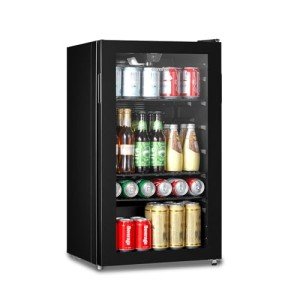
Bar fridges, likewise called beverage coolers or mini fridges, are compact refrigerators created mainly for storing and chilling drinks and a limited choice of perishable snacks. Unlike their larger kitchen area equivalents, bar fridges focus on convenience and availability, often featuring glass doors to showcase their contents and space-saving styles to fit flawlessly into different environments.
The appeal of bar fridges originates from their versatility. They are not simply about keeping drinks cold; they have to do with boosting benefit, company, and the overall atmosphere of an area. They free up important area in the main refrigerator, prevent overcrowding, and guarantee that drinks are easily available at the ideal temperature, exactly where you need them-- whether it's in the living-room, office, game room, or patio.
Exploring the Different Types of Bar Fridges
The market uses a varied range of bar fridges, each dealing with specific needs and choices. Comprehending these types can improve your selection procedure:
- Freestanding Bar Fridges: These are the most common type, developed to stand separately. They offer flexibility in positioning and come in numerous sizes and styles. Freestanding units are perfect for the majority of home settings, from cooking areas to living rooms to basements.
- Built-In Bar Fridges: Designed to be integrated seamlessly into cabinets or under counters, built-in bar fridges use a sophisticated, streamlined look. Energy-Saving Fridges are typically selected for dedicated home bar setups or kitchen areas where a flush, incorporated aesthetic is preferred. These generally require professional installation to make sure appropriate ventilation and fit.
- Countertop Bar Fridges: The smallest and most portable of the bunch, countertop bar fridges are perfect for limited spaces or for keeping a choose couple of drinks chilled on a desk or countertop. They are ideal for personal use in offices, bedrooms, or dormitory.
- Wine and Beverage Coolers: While technically bar fridges, these are typically classified individually due to their specialized style for wine or beverage storage. Wine coolers are designed to preserve accurate temperatures and humidity levels for ideal wine conservation. Beverage coolers are generally optimized for cans and bottles, often featuring adjustable shelves and door racks.
- Outdoor Bar Fridges: Built to stand up to the aspects, outdoor bar fridges are built with durable, weather-resistant products and robust cooling systems. They are perfect for outdoor patios, decks, and outdoor kitchens, guaranteeing cooled beverages are always on hand for outdoor entertaining.
Secret Considerations When Choosing Your Bar Fridge
Picking the best bar refrigerator includes thinking about several elements to guarantee it satisfies your particular requirements and integrates perfectly into your space.
- Size and Capacity: Determine the space readily available for the bar refrigerator and the volume of beverages you generally need to chill. Bar fridges are determined in cubic feet, with capabilities ranging from compact countertop models to bigger systems that can hold several cases of drinks. Consider your typical beverage usage and offered area to choose a suitable size.
- Temperature Level Range and Control: Different drinks require various chilling temperature levels. If you prepare to save wine, look for a bar refrigerator with precise temperature control and a wider temperature variety. For general drinks like beer, soda, and juices, a basic bar fridge temperature variety is generally sufficient. Try to find digital temperature screens and adjustable thermostats for ideal control.
- Energy Efficiency: Like any fridge, bar fridges consume energy. Going with an energy-efficient design can save you cash on electrical power expenses and minimize your ecological footprint. Try To Find Energy Star accredited designs, which meet rigorous energy performance guidelines.
- Sound Level: Bar fridges operate with compressors, which can produce noise. Think about the placement of your bar fridge and select a model with a low noise level, specifically if it will be found in a living space or bed room where quiet operation is necessary. Check product specifications for decibel scores or read online evaluations to assess sound levels.
- Features and Accessories: Bar fridges featured numerous functions that boost convenience and usability. Consider features like:
- Adjustable Shelves: Allow for flexible storage of different sized bottles and cans.
- Glass Doors: Showcase drinks and allow you to see contents without opening the door, reducing energy loss. Think about tinted or UV-protected glass if the refrigerator will remain in direct sunlight to safeguard drinks.
- Interior Lighting: Makes it easy to find drinks, specifically in low-light environments. LED lighting is energy-efficient and lasting.
- Door Locks: Useful for households with children or if you need to secure specific drinks.
- Reversible Doors: Allow for versatile installation and door swing direction to match your space.
- Digital Displays and Controls: Offer accurate temperature management and simple adjustments.
- Design and style: Bar fridges are readily available in different styles, from smooth stainless-steel to traditional black and even retro designs. Choose a design that matches your existing décor and the general visual of the space where the fridge will be placed.
Advantages of Adding a Bar Fridge to Your Home
Buying a bar refrigerator offers a plethora of benefits, boosting both convenience and lifestyle:
Here are some essential benefits:
- Dedicated Beverage Storage: Frees up important space in your primary fridge, preventing overcrowding and making it easier to find and gain access to food products.
- Ideal Beverage Chilling: Maintains drinks at their ideal serving temperature, boosting their taste and pleasure. No more lukewarm drinks!
- Boosted Entertainment: Provides hassle-free access to cooled drinks for visitors, making hosting events and celebrations much simpler and more pleasurable.
- Organized Beverage Selection: Allows you to categorize and arrange your beverage selection, ensuring you constantly have your favorites easily available.
- Benefit in Various Locations: Can be placed in different locations around the home-- living spaces, office, game rooms, patio areas-- offering cooled drinks anywhere you require them.
- Stylish Addition: Adds a touch of sophistication and style to any area with their streamlined designs and often aesthetically enticing glass doors.
- Energy Efficiency (Compared to Constantly Opening Main Fridge): While they consume energy, they can be more energy-efficient for beverage cooling compared to constantly opening and closing the main refrigerator to gain access to drinks, which lets cold air escape.
- Security for Wine (Wine Coolers): Specialized wine coolers offer temperature level and humidity control, essential for maintaining the quality and flavor of wine.
Keeping Your Bar Fridge for Longevity
Appropriate upkeep is necessary to ensure your bar fridge runs effectively and lasts for many years to come. Here are some simple maintenance tips:
- Regular Cleaning: Clean the exterior and interior of the refrigerator routinely with mild soap and water. Wipe up spills immediately to prevent spots and smells.
- Defrosting (if Manual Defrost): Some bar fridges, particularly older models, may require manual defrosting. Follow the maker's guidelines to defrost the freezer compartment when ice buildup ends up being extreme. Frost accumulation decreases efficiency.
- Inspect Door Seals: Ensure the door seals are tidy and intact to keep a tight seal and avoid cold air leak. Clean seals regularly to get rid of any food particles or stickiness.
- Proper Ventilation: Ensure correct ventilation around the bar refrigerator, specifically for built-in designs. Do not block vents, as this can hinder cooling and lower performance.
- Avoid Overloading: Do not overload the bar fridge beyond its capacity, as this can restrict airflow and minimize cooling performance.
- Professional Servicing (If Needed): If you experience any problems with cooling or operation, speak with a qualified appliance service technician for professional servicing.
Placement and Installation Considerations
Selecting the right place and guaranteeing correct setup are crucial for optimum performance and durability of your bar fridge.
- Level Surface: Place the bar refrigerator on a level and stable surface to make sure correct operation and prevent noise and vibrations.
- Far From Heat Sources: Avoid positioning the bar fridge in direct sunshine or near heat sources like ovens, ranges, or radiators, as this can increase energy usage and decrease cooling performance.
- Appropriate Ventilation (Especially for Built-in): Ensure adequate ventilation around the bar refrigerator, especially for built-in designs. Follow manufacturer's standards for ventilation clearance to avoid getting too hot and guarantee efficient cooling.
- Power Outlet: Ensure a devoted and appropriately grounded power outlet is readily available for the bar refrigerator. Avoid utilizing extension cords if possible.
- Professional Installation (Built-in Models): Built-in bar fridges typically need professional setup to guarantee proper ventilation, electrical connections, and a seamless fit into cabinetry.
Conclusion: Embracing the Chilled Life with a Bar Fridge
Bar fridges have progressed from a specific niche home appliance to a desirable and practical addition to modern homes. Their adaptability, benefit, and stylish designs make them an outstanding financial investment for anyone who values chilled drinks and boosted entertainment alternatives. By comprehending the various types, considering essential functions, and following proper upkeep practices, you can choose the perfect bar refrigerator to complement your way of life and delight in the revitalizing benefit of cooled beverages as needed. So, whether you are curating a sophisticated home bar, equipping a man cave, or merely seeking a hassle-free way to keep your drinks cold, a bar refrigerator is a cool companion that will unquestionably elevate your enjoyment of daily life and unique occasions alike.
Frequently Asked Questions (FAQs) about Bar Fridges
Q: What is the ideal temperature level for a bar refrigerator?A: The ideal temperature level for a bar fridge usually ranges from 34 ° F to 40 ° F( 1 ° C to 4 ° C)for a lot of beverages like beer, soda, and juices. For wine, a somewhat warmer temperature level series of 45 ° F to 65 ° F( 7 ° C to 18 ° C)is advised, depending upon the type of wine. Wine coolers are created to maintain these specific temperatures.
Q: Can I keep food in a bar fridge?A: While bar fridges are mostly created for drinks, you can store some disposable snacks like cheese, dips, or fruits. Nevertheless, their temperature level variety is usually enhanced for beverages and might not be ideal for all types of food requiring accurate refrigeration temperature levels. It's finest to use them generally for drinks and a limited selection of snacks intended for shorter-term intake.
Q: How much energy does a bar refrigerator consume?A: Energy usage differs based on the size, functions, and energy effectiveness rating of the bar fridge. Energy Star accredited models are developed to be more energy-efficient. Look for the energy intake rating (frequently in kWh annually) in the item requirements to compare models.
Q: Can I utilize a bar refrigerator outdoors?A: Only outdoor-rated bar fridges are designed for outdoor usage. Requirement indoor bar fridges are not constructed to hold up against the components and must not be utilized outdoors. Outdoor bar fridges are built with weather-resistant products and robust cooling systems to operate successfully in outdoor environments.
Q: How typically do I require to defrost a bar fridge?A: If your bar fridge has manual defrost, you will need to defrost it when ice buildup ends up being considerable, normally every couple of months or as suggested by the producer. Frost-free bar fridges instantly defrost, getting rid of the need for manual defrosting.
Q: Are bar fridges noisy?A: Bar fridges do produce some sound due to the compressor. However, most modern bar fridges are developed to run fairly quietly. Examine item specs for sound level scores (decibels - dB) or check out online reviews to evaluate the noise level of specific models.
Q: Can I put a bar fridge on carpet?A: It's typically not suggested to place a bar refrigerator directly on thick carpet, as it can hamper ventilation and potentially trigger overheating. If putting it on carpet is necessary, utilize a strong, level platform or mat beneath to supply stability and enable air flow around the base of the refrigerator.
Q: What is the life-span of a bar fridge?A: The life-span of a bar fridge can differ depending on the quality of construction, usage, and upkeep. With correct care and upkeep, a good quality bar fridge can last for 5 to 10 years or perhaps longer.